
What’s Multiple Sclerosis (MS)?
Autoimmune: meaning the body is attacking itself
Invisible: meaning those living with MS dont always look sick or present with outward symptoms.
Snowflake: MS is referred to as the snowflake disease because no 2 people experience MS the same.
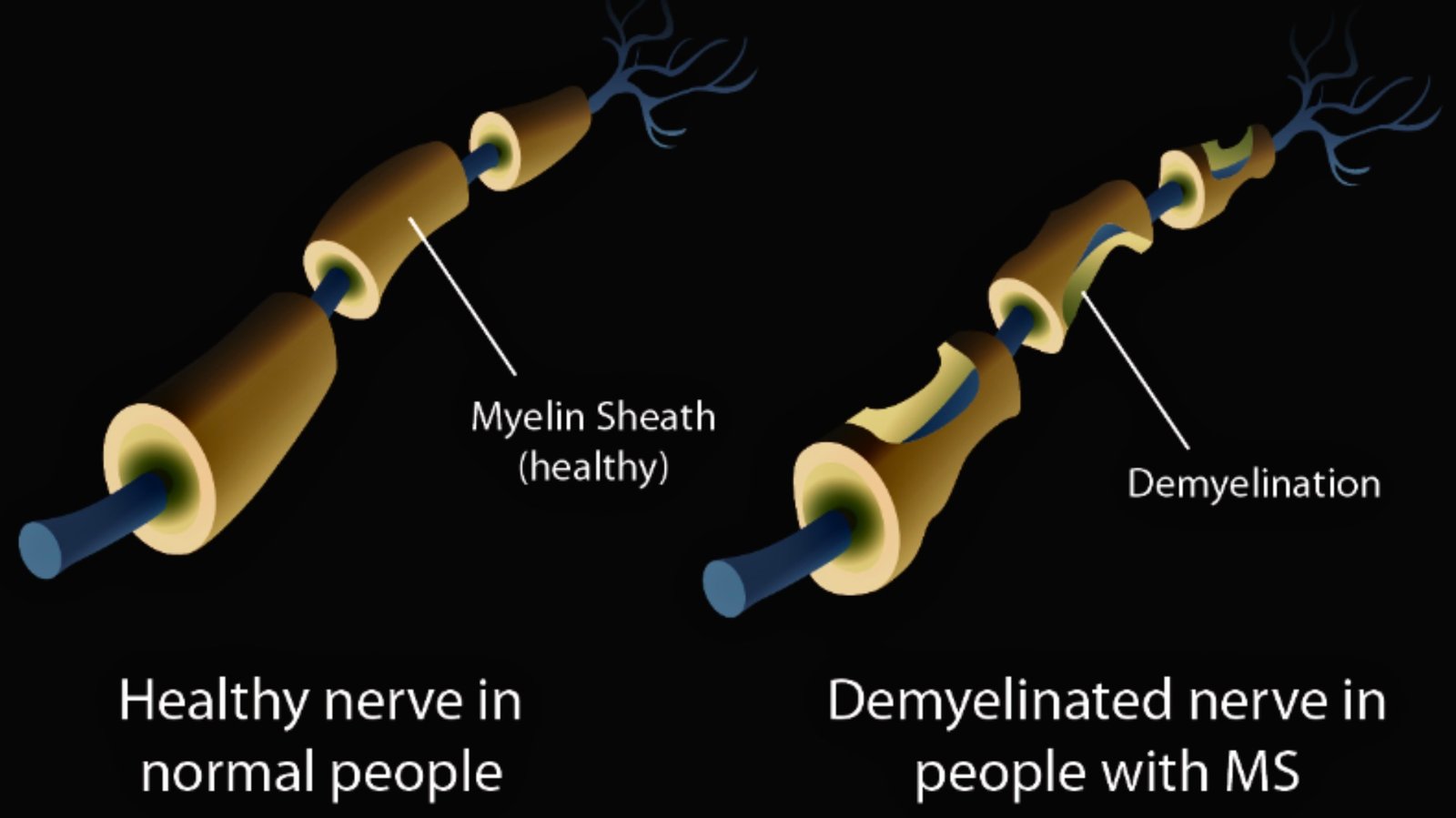
Multiple Sclerosis (MS) is a condition that affects the central nervous system, which includes the brain, spinal cord, and sometimes orbitals. It happens when the body’s immune system mistakenly attacks the myelin (the protective covering around nerve fibers). Think of myelin as the insulation around your cell phone charger —when it’s damaged or frayed, the signals sent by the brain to the rest of the body get interrupted or delayed.
This can lead to a variety of symptoms which vary from person to person. For some, these symptoms may be “invisible,” meaning to an outsider we look normal. Some common symptoms may include cognitive functionality, muscle weakness, problems with balance, numbness/tingling, and fatigue. In some cases, MS can also cause vision problems or difficulty with coordination.
While the exact cause of MS isn’t fully understood, it’s thought to involve a mix of genetic factors and environmental triggers. There’s no cure for MS. However, treatments can help manage symptoms, slow the progression, and improve quality of life. In short, MS is a disease that messes with how the brain and body communicate, causing a range of physical and sometimes mental challenges. With proper medical treatment and support, many people with MS can live active and fulfilling lives.